Skin Barrier Repair Secrets for Radiant Natural Beauty defines the modern beauty movement built around resilience, hydration, microbiome balance, and long-term glow rather than short-term cosmetic illusion. Trending beauty searches increasingly center on ceramides, slugging, peptide serums, mineral SPF, facial massage tools, and barrier-first routines because compromised skin ages faster, inflames easier, and absorbs actives poorly. Restoring the barrier restructures texture, tone, elasticity, and luminosity from a biological level.

The Science of the Skin Barrier and Why It Controls Your Glow
The skin barrier, also known as the stratum corneum, functions as a lipid matrix that locks in water and blocks irritants, pollution, and pathogens, as explained by the Cleveland Clinic in its overview of how the epidermal barrier protects the body from dehydration and inflammation at https://my.clevelandclinic.org/health/body/22388-skin-barrier.
Lipids Are the Architecture of Youthful Skin
Ceramides make up nearly half of the barrier’s lipid content, and when depleted, moisture evaporates rapidly, triggering dryness, redness, and fine lines, which Healthline details in its breakdown of ceramides and their role in preventing transepidermal water loss at https://www.healthline.com/health/ceramides.
Cholesterol maintains flexibility, preventing cracking under environmental stress.
Fatty acids seal microscopic gaps that allow irritants to penetrate.
When these components weaken, even luxury skincare fails to perform.
Over-Exfoliation Is the Primary Barrier Destroyer
Trending acid toners, retinoids, and scrubs strip protective oils when overused. Dermatologists repeatedly note that inflamed, over-processed skin ages faster than untreated skin because chronic micro-inflammation degrades collagen.
A repaired barrier restores:
• Smoothness
• Even tone
• Reduced breakouts
• Slower wrinkle formation
• Natural glow without makeup dependence
Skin Barrier Repair Secrets for Radiant Natural Beauty Routine Framework
Gentle Cleansing That Preserves Lipids
Traditional foaming cleansers dissolve sebum aggressively. Modern barrier-focused cleansers use low-pH surfactants that lift debris while maintaining lipid integrity.
Look for formulas containing glycerin, ceramides, and amino acids rather than sulfates.
Hydration Layers That Mimic Skin Structure
Hydrating toners and essences rich in hyaluronic acid bind up to 1000 times their weight in water, increasing plumpness instantly.
Barrier-boosting serums using niacinamide strengthen lipid production while calming redness.
Occlusion That Prevents Moisture Escape
Slugging, the viral trend of sealing skincare with petrolatum or balms overnight, prevents evaporation while the skin repairs itself, a practice dermatologists outline in clinical skin hydration studies.
When used on damp skin, occlusives amplify hydration by over 30 percent.
Trending Ingredients That Rebuild and Beautify the Barrier
Ceramides and Cholesterol Blends
Modern moisturizers increasingly mimic the natural 3:1:1 lipid ratio of ceramides, cholesterol, and fatty acids.
This biomimetic approach accelerates healing and improves elasticity within weeks.
Peptide Serums for Collagen Communication
Peptides act as cellular messengers that signal fibroblasts to produce more collagen and elastin.
Clinical research summarized by Paula’s Choice demonstrates visible firmness improvements when peptides are used consistently at https://www.paulaschoice.com/ingredient-dictionary/ingredient-peptides.html.
Squalane for Weightless Nourishment
Derived from olives or sugarcane, squalane replicates skin’s natural oils without clogging pores.
It restores softness while maintaining breathability.
Sun Protection as the Ultimate Barrier Preserver
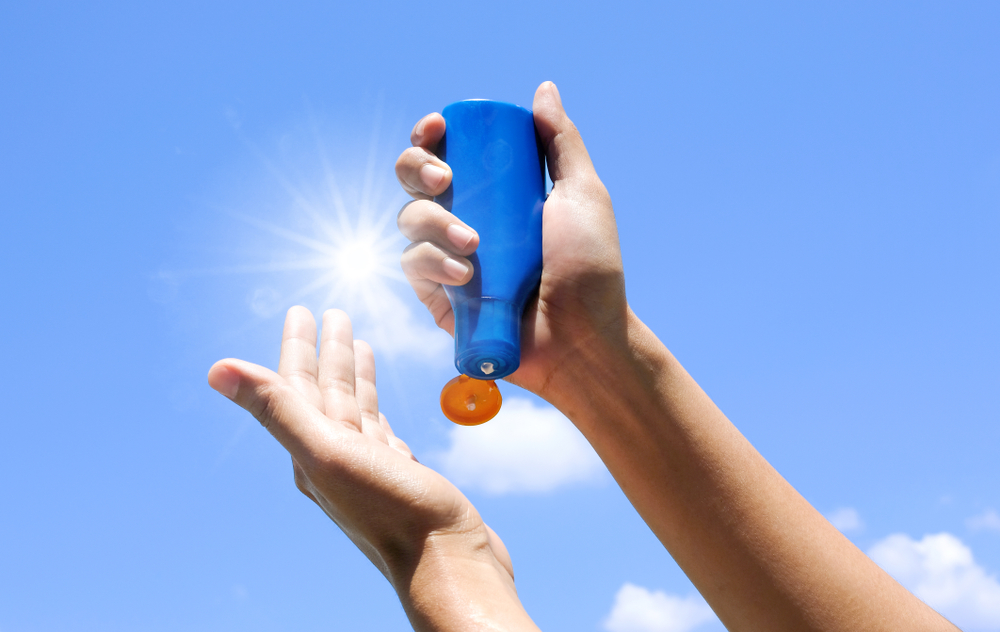
UV radiation breaks down ceramides, thickens skin unevenly, and triggers pigmentation.
The American Academy of Dermatology emphasizes that daily broad-spectrum SPF prevents premature aging and barrier damage more effectively than any anti-aging cream at https://www.aad.org/public/everyday-care/sun-protection/sunscreen/how-to-apply-sunscreen.
Mineral SPF Leads the Clean Beauty Trend
Zinc oxide and titanium dioxide sit on the skin surface, reflecting UV rays rather than absorbing them.
They cause less irritation for sensitive, barrier-compromised skin.
Beauty Tools Enhancing Barrier Health and Circulation
LED Light Therapy Masks
Red light therapy stimulates collagen production, improves wound healing, and reduces inflammation, making it ideal for barrier recovery, as Byrdie outlines in its review of dermatology-backed LED technology at https://www.byrdie.com/led-light-therapy-for-skin-4775150.
Gua Sha and Facial Massage
Stone massage tools increase lymphatic drainage, boost circulation, and relax facial muscles responsible for expression lines.
Vogue explains how gua sha promotes natural contouring and glow through improved blood flow at https://www.vogue.com/article/gua-sha-facial-massage-benefits.
Nutrition and Lifestyle That Strengthen the Skin Barrier From Within
Omega Fatty Acids Build Lipid Reserves
Foods rich in omega-3s such as salmon, flaxseed, and walnuts directly contribute to stronger skin membranes.
Antioxidants Defend Against Environmental Breakdown
Vitamin C, polyphenols, and carotenoids neutralize free radicals that degrade barrier lipids.
Green tea, berries, and leafy greens correlate with improved skin elasticity and reduced dryness.
Sleep Regulates Skin Barrier Repair Secrets Cycles
Growth hormone peaks during deep sleep, triggering cell renewal and lipid synthesis.
Chronic sleep deprivation correlates with slower barrier recovery and increased inflammation.
Hair and Scalp Barrier Care as a Beauty Trend
The scalp is skin, and its barrier dictates hair growth, shine, and thickness.
Scalp Oils Restore Lipid Balance
Trending oils like rosemary, argan, and jojoba reduce dryness, flaking, and breakage by nourishing follicles.
Clinical trials published in dermatology journals show rosemary oil improving hair density comparable to minoxidil when used consistently.
Gentle Exfoliation Removes Follicle Blockage
Occasional scalp exfoliation clears dead skin without stripping oils, improving nutrient delivery to roots.
Clean Beauty and Microbiome Protection
The skin hosts beneficial bacteria that regulate inflammation and moisture retention.
Harsh preservatives and alcohol-heavy products disrupt this ecosystem.
Modern probiotic skincare supports healthy flora, improving resilience and clarity.
Brands increasingly formulate without sulfates, parabens, and artificial fragrance to preserve microbial balance.
Makeup That Supports Rather Than Damages Skin Health
Barrier-Friendly Foundations
Hydrating foundations infused with hyaluronic acid and ceramides prevent dryness while providing coverage.
Cream Products Over Powders
Cream blushes and bronzers trap moisture instead of absorbing it, maintaining glow.
Long-Term Results of Barrier-First Beauty
Within two weeks:
• Reduced redness
• Increased softness
• Improved hydration
Within one month:
• Brighter tone
• Fewer breakouts
• Smoother texture
Within three months:
• Firmer appearance
• Diminished fine lines
• Stronger resistance to irritation
The Future of Woman and Beauty Trends
Search data shows sustained growth in:
• Skin barrier repair secrets
• Peptide skincare
• Mineral sunscreen
• Facial massage tools
• Scalp health rituals
• Microbiome-friendly beauty
The industry is shifting from aggressive correction to biological preservation.
Radiance is no longer created through stripping and covering but through strengthening and restoring.
Healthy skin becomes self-sustaining.
Final Perspective
Skin barrier mastery reshapes beauty from surface treatment to cellular resilience. Products, tools, nutrition, and habits now converge toward protection, hydration, and regeneration. The glow women pursue increasingly reflects biological health rather than cosmetic illusion. The trend is permanent because it aligns with how skin actually functions.
About the Author