Modern Minimalist Wedding Trends Redefining Romance dominates contemporary wedding planning as couples shift toward intentional design, sustainability, personalization, and experience-driven celebrations. Search behavior now prioritizes micro weddings, neutral palettes, eco-conscious decor, experiential receptions, statement florals, and digital-first planning tools. The industry has pivoted from excess toward precision, emotional depth, and visual clarity.
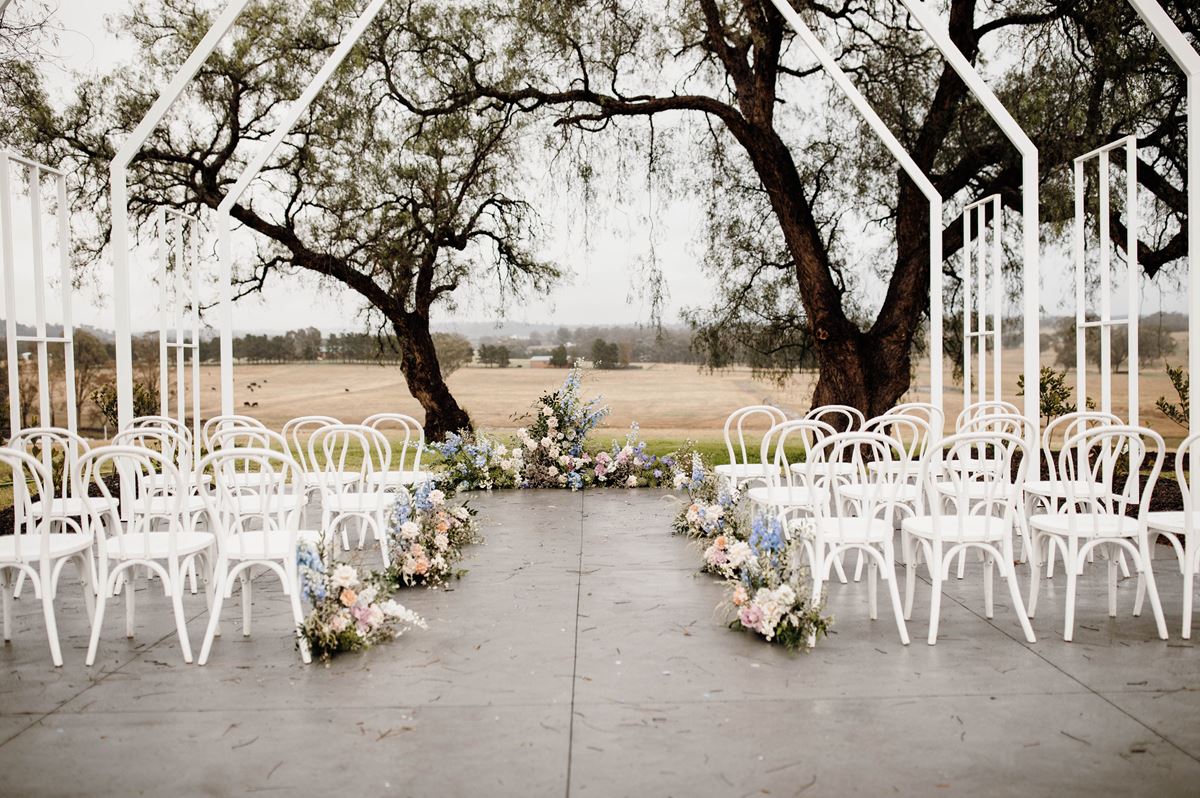
The Rise of Modern Minimalist Wedding Trends Redefining Romance
Minimalism in weddings is not about reducing quality. It is about eliminating visual noise, logistical waste, and artificial tradition in favor of clean aesthetics, meaningful rituals, and refined execution.
Why Minimalism Took Over the Wedding Industry
Luxury brands, fashion houses, and interior design movements normalized neutral palettes, sculptural shapes, and negative space. Weddings followed.
Brides increasingly draw inspiration from editorial shoots published by platforms like Vogue Weddings where monochrome florals, architectural venues, and curated tablescapes dominate modern ceremony visuals.
Minimalist weddings focus on:
• Intentional guest lists
• Fewer but higher-quality elements
• Strong visual cohesion
• Emotion over spectacle
The shift accelerated as couples prioritized experience over display.
Clean Color Palettes Now Lead Bridal Design
White, ivory, sand, stone, taupe, sage, and soft gray now replace bold color explosions.
Design studios featured on Brides consistently showcase neutral palettes paired with texture rather than contrast.
Linen tablecloths, ceramic dinnerware, natural wood chairs, and soft candlelight create depth without visual overload.
Sustainable Weddings Are Now the Industry Standard
Eco-conscious planning is no longer niche. It is now a dominant search category.
Ethical Fashion Replaces Single-Use Gowns
Bridal designers increasingly use organic silk, recycled fabrics, and modular designs that allow dresses to be reworn.
Sustainable bridal labels frequently highlighted on Martha Stewart Weddings demonstrate how eco-fashion integrates seamlessly into high-end aesthetics.
Popular shifts include:
• Secondhand designer gowns
• Convertible dresses
• Rental bridal fashion
• Locally produced accessories
Zero-Waste Decor Becomes the New Luxury
Florals now emphasize:
• Potted plants
• Dried arrangements
• Seasonal blooms
• Reusable installations
Rental arches, fabric draping, and candle-heavy designs replace foam-based floral structures that create landfill waste.
Couples increasingly select biodegradable confetti, recycled paper signage, and reusable dinnerware.
Micro Weddings and Intimate Guest Experiences
Large guest counts no longer define wedding value.
Smaller Weddings Deliver Higher Emotional Impact
Micro weddings typically host 10 to 50 guests, allowing:
• Personal interaction with every attendee
• Elevated food quality
• Premium venues
• Customized ceremony rituals
According to trend analysis published by The Knot, couples report stronger emotional connection and reduced stress when scaling down.
Experience-Focused Receptions Replace Traditional Banquets
Instead of generic dinner services, modern receptions include:
• Chef tasting menus
• Wine pairing experiences
• Interactive dessert stations
• Cultural food storytelling
Entertainment now favors live acoustic sets, curated playlists, and immersive lighting over loud DJ setups.
Statement Florals and Sculptural Design
:max_bytes(150000):strip_icc()/sculptural-wedding-cake-facebook-heather-waraksa-8-18-fa1bf12ba47643a292166800f596f0f6.jpg)
Minimalism does not mean absence. It means precision.
Oversized Installations Create Visual Focus
Single-impact installations now replace scattered centerpieces.
Popular structures include:
• Floral ceremony arches
• Hanging greenery clouds
• Asymmetrical altar backdrops
• Monochrome rose walls
Design studios featured on WeddingWire show how focal florals transform simple venues into editorial environments.
Texture Is the New Decoration Language
Designers layer:
• Linen fabrics
• Raw stone vases
• Ceramic candle holders
• Wood accents
• Metal frames
This produces depth without clutter.
Digital-First Weddings and Modern Minimalist Wedding Planning Tools
Technology reshaped how weddings are planned, shared, and experienced.
Digital Invitations Replace Paper Suites
Online invitations reduce cost, waste, and logistical delays.
Platforms like Paperless Post allow custom animated designs, RSVP tracking, and guest messaging.
Benefits include:
• Real-time updates
• Zero printing waste
• Integrated calendars
• Guest communication hubs
Wedding Websites Centralize the Entire Event
Couples now build personalized wedding hubs containing:
• Event schedules
• Travel info
• Dress codes
• Registry links
• Livestream access
Modern templates showcased on Zola simplify planning and reduce confusion.
Livestream Ceremonies Expand Guest Access
Remote attendance remains popular for international family members and elderly relatives.
Professional multi-camera livestream setups now deliver broadcast-level quality.
Bridal Fashion Evolves Beyond Tradition
Modern brides increasingly reject rigid dress codes.
Bridal Jumpsuits and Two-Piece Sets Surge
Fashion-forward brides choose:
• Silk jumpsuits
• Tailored suits
• Crop top skirts
• Overskirt transformations
Editorial collections featured on Harper’s Bazaar Bride demonstrate how minimalist tailoring delivers elegance without restriction.
Comfort Now Equals Luxury
Breathable fabrics, flat shoes, block heels, and movement-friendly silhouettes dominate modern bridal design.
Beauty aligns with wearability.
Personalized Modern Minimalist Wedding Ceremonies Replace Scripted Traditions
Couples increasingly design ceremonies around shared values rather than inherited templates.
Custom Vows Become Standard
Handwritten vows allow emotional authenticity.
Themes often include:
• Growth journeys
• Friendship foundations
• Overcoming challenges
• Future intentions
Cultural Fusion Ceremonies Increase
Modern weddings blend:
• Multicultural rituals
• Interfaith blessings
• Family storytelling
This reflects globalization and diverse relationships.
Destination Weddings Shift Toward Nature
Instead of resort ballrooms, couples favor immersive landscapes.
Top Modern Destination Styles
• Beach cliff ceremonies
• Desert elopements
• Mountain lodges
• Forest clearings
• Vineyard estates
Venues highlighted on Junebug Weddings showcase how natural backdrops replace heavy decor.
Nature becomes the aesthetic.
Wedding Content Creators Become Essential Vendors
A new vendor category now dominates social media planning.
What Wedding Content Creators Do
They capture:
• Behind-the-scenes moments
• Vertical social videos
• Same-day highlight reels
• Guest reactions
• Emotional micro-moments
Unlike traditional photographers, they produce real-time digital storytelling.
Brides increasingly book both photographers and content creators for maximum media output.
Neutral Beauty Trends Dominate Bridal Looks
Heavy glam fades in favor of skin-focused makeup.
The Clean Bridal Glow
Modern bridal beauty emphasizes:
• Dewy skin
• Soft contour
• Neutral eyes
• Natural brows
• Cream blush
Tutorials frequently shared by artists featured on Allure Weddings reflect this fresh aesthetic shift.
Hair Moves Toward Soft Structure
Popular styles include:
• Low buns
• Loose waves
• Textured ponytails
• Natural curls
Simplicity photographs better and feels timeless.
Budget Reallocation Defines Modern Wedding Spending
Couples now invest selectively rather than evenly.
High Priority Categories
• Photography and videography
• Food experience
• Venue atmosphere
• Guest comfort
Reduced Spending Areas
• Excess decor
• Party favors
• Overprinted stationery
• Large guest lists
Value now equals memory impact.
Why These Trends Will Dominate Long-Term
The modern wedding market aligns with broader cultural movements:
• Sustainability
• Minimalism
• Personalization
• Experience economy
• Digital convenience
Couples increasingly reject performative luxury in favor of meaningful design.
Weddings now function as emotional storytelling events rather than status displays.
Core Shifts Reshaping the Wedding Industry
Traditional weddings focused on:
• Size
• Formality
• Excess
Modern weddings prioritize:
• Intention
• Design clarity
• Sustainability
• Emotional experience
The transformation is permanent.
Final Synthesis
Minimalist aesthetics, sustainable choices, intimate gatherings, digital planning, personalized ceremonies, and experiential design now define contemporary weddings. The shift reflects deeper societal changes toward mindfulness, authenticity, and long-term value. Weddings have evolved from rigid traditions into curated life experiences rooted in meaning rather than spectacle.
Modern romance now expresses itself through clarity, connection, and conscious celebration.
About the Author