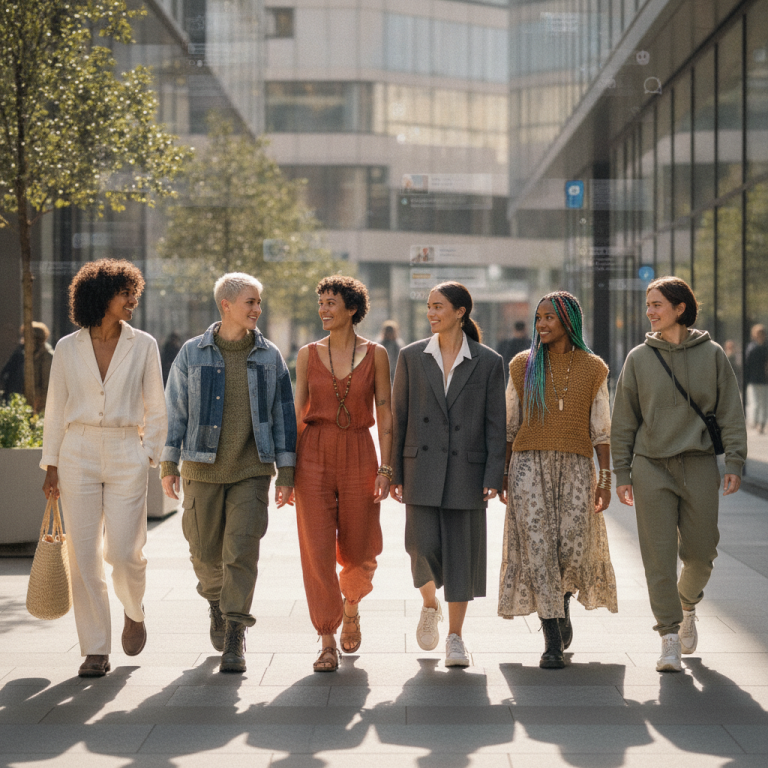
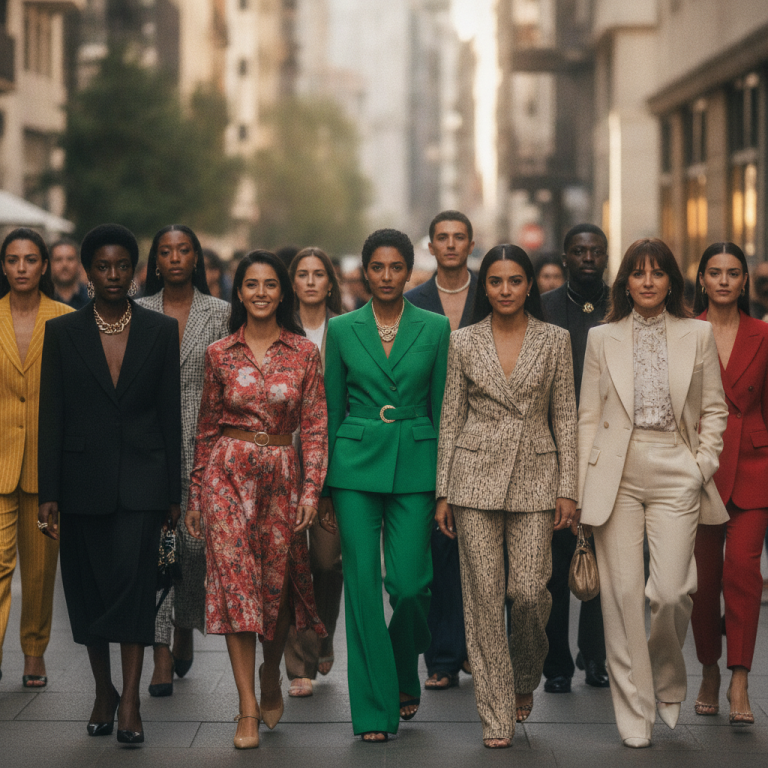
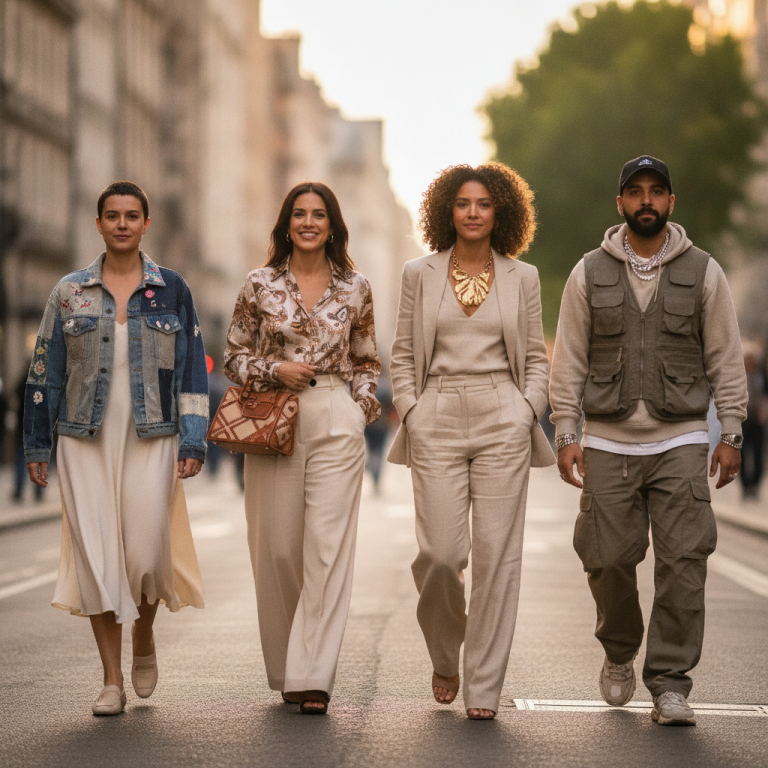
Classic Minimalist Silhouettes and Timeless Sartorialism represent the definitive structural response to the volatile cycles of fast fashion. In the current 2026 landscape, the industry has shifted toward high-density fabrics and architectural tailoring that prioritize skeletal longevity over seasonal aesthetics. Data from Vogue Business confirms that the consumer transition toward “investment dressing” is driven by a requirement for garments that maintain structural integrity across decades. This movement is not merely an aesthetic choice but a rigorous adherence to the principles of proportion, material excellence, and anatomical alignment. The return to raw denim, structured wool, and neutral palettes facilitates a wardrobe that functions as a permanent infrastructure rather than a transient collection.

Classic Minimalist Silhouettes and Timeless Sartorialism Mastery
The mastery of Classic Minimalist Silhouettes and Timeless Sartorialism requires an understanding of the relationship between fabric weight and drape. Utilizing heritage textiles such as 14-ounce raw denim or heavy-gauge cashmere ensures that a garment dictates the shape of the wearer rather than succumbing to environmental wear. This structural dominance is achieved through advanced tailoring techniques that emphasize clean lines and hidden seams. The objective is to eliminate visual noise, allowing the silhouette to convey authority and intentionality. By stripping away extraneous ornamentation, the wearer focuses on the fundamental geometry of the human form, utilizing clothes as a tool for cognitive and social signaling.
Structural Integrity in Raw Denim and Brut Textiles
Modern sartorialism prioritizes unwashed, untreated “brut” textiles that offer extreme durability and a personalized patina. According to Heuritech’s trend analysis, raw denim is regaining dominance due to its refusal to conform to the disposable stretch-denim standards of previous eras. These rigid materials require a “break-in” period that mirrors the development of a long-term asset. The lack of artificial distressing ensures that the fabric retains its maximum tensile strength. When integrated into a minimalist wardrobe, these textiles provide the necessary friction and weight to ground lighter layers, creating a balanced tactile environment that supports biological comfort and physical protection.
Architectural Tailoring and Anatomical Precision
Architectural tailoring moves beyond standard sizing to address the biomechanical needs of the body. The use of 3D body scanning technology in bespoke and high-end ready-to-wear sectors has refined the accuracy of the “drop” and “break” in trousers and jackets. Precision in the shoulder-to-waist ratio is critical for maintaining a silhouette that appears effortless yet remains highly engineered. This precision prevents the fabric from bunching or pulling during movement, which reduces mechanical stress on the fibers and extends the garment’s lifespan. The result is a sartorial framework that enhances the wearer’s natural carriage while providing a consistent, high-fidelity visual output.
Sustainable Sourcing and Circular Material Economies
The longevity of a classic silhouette is intrinsically linked to the sustainability of its source material. The Ellen MacArthur Foundation advocates for a circular economy where high-quality natural fibers like organic cotton, linen, and wool are kept in use for the maximum possible duration. Timeless design is the most effective form of sustainability; a garment that never goes out of style will never enter a landfill. Furthermore, the industry is increasingly adopting biodegradable dyes and waterless finishing techniques. These advancements ensure that the production of classic pieces does not compromise the environmental stability required for future resource security.
Neutral Palettes and Chromatic Stability
A minimalist wardrobe relies on a restricted color palette to ensure universal compatibility between individual pieces. Dominant tones such as navy, charcoal, camel, and bone white provide a stable chromatic base that is immune to the “color clashing” trends of mass-market retail. Research into color psychology suggests that neutral tones reduce cognitive load for both the wearer and the observer, promoting a sense of calm and focused professional competence. This stability allows for the seamless integration of new pieces into an existing collection without disrupting the established visual hierarchy. By adhering to a consistent palette, an individual builds a visual identity that is recognized for its clarity and permanence.
Refined Accessories and Functional Minimalism
In a Classic Minimalist Silhouettes framework, accessories must serve a functional purpose while adhering to the same standards of material excellence as the primary garments. The move away from “micro-bags” and toward workhorse totes illustrates a return to utility-driven design. Footwear, particularly the almond-toe heel and the low-profile sneaker, emphasizes ergonomic support and timeless form over aggressive branding. These elements act as the finishing components of the sartorial system, reinforcing the overall silhouette without introducing unnecessary complexity. The focus remains on the quality of leather, the precision of stitching, and the durability of hardware, ensuring that every component of the outfit contributes to a cohesive, high-performance aesthetic.
Cognitive Benefits of Wardrobe Simplification
The reduction of sartorial choices through a minimalist approach directly impacts executive function. Decision fatigue is mitigated when the wardrobe consists of a curated set of high-fidelity pieces that are guaranteed to perform. This “uniform” strategy, popularized by high-output professionals, allows mental energy to be redirected toward complex problem-solving rather than superficial maintenance. The psychological security provided by a reliable, high-quality silhouette fosters a state of internal stability, enabling the individual to navigate high-pressure environments with increased confidence. The wardrobe thus becomes an extension of the individual’s cognitive strategy, prioritizing efficiency, reliability, and long-term value.
Evolution of the Modern Professional Uniform
The professional uniform has evolved from rigid formality to a flexible, high-performance system. The integration of technical fibers with traditional wool blends allows for temperature regulation and moisture-wicking properties without sacrificing the classic aesthetic. These smart textiles represent the intersection of sartorial history and future-proof engineering. The modern uniform is designed to transition seamlessly from a climate-controlled office to a variety of external environments, maintaining its structural integrity and visual polish throughout the day. This adaptability is the hallmark of a sophisticated regulation strategy, ensuring that the wearer remains optimized for performance regardless of external variables.
Future Projections for Sartorial Longevity

The trajectory of classic fashion points toward an even greater emphasis on personalization through data-driven design. As artificial intelligence begins to influence pattern-making and fabric weaving, the ability to create “perfect” garments will become a standard expectation. This technological advancement will not replace the classic silhouette but will instead refine it to its ultimate expression. The future of fashion lies in the marriage of ancient craftsmanship and cutting-edge technology, producing garments that are biologically compatible, environmentally responsible, and aesthetically permanent. The pursuit of timelessness is a commitment to the highest standards of human production and a rejection of the disposable culture that undermines systemic stability.
Maintenance and Preservation of High-Value Garments
Preserving the integrity of classic silhouettes requires a disciplined approach to garment care. Avoiding the chemical trauma of traditional dry cleaning and opting for ozone cleaning or specialized spot treatments extends the life of natural fibers. Proper storage, including the use of cedar blocks and structured hangers, prevents the degradation of shape and protects against environmental damage. This level of maintenance is an essential component of the investment dressing strategy, ensuring that the capital spent on high-quality pieces is protected over the long term. By treating garments as valuable tools, the individual ensures a consistent level of performance and presentation for decades.
Psychological Impact of High-Quality Materials
The tactile feedback of premium materials like silk, wool, and high-density cotton has a measurable effect on the nervous system. Substandard synthetic fibers can cause skin irritation and disrupt thermoregulation, leading to a low-grade physical stress response. In contrast, natural fibers allow the skin to breathe and maintain a stable microclimate around the body. This physical comfort translates into enhanced cognitive focus and emotional regulation. Choosing materials based on their biological compatibility is a form of environmental self-regulation, ensuring that the immediate sensory input from one’s clothing supports rather than hinders the body’s internal state.
Final Integration of Sartorial Systems
A completed sartorial system is one where every element, from the base layer to the outerwear, functions in a synergistic manner. This integration is the ultimate goal of Classic Minimalist Silhouettes and Timeless Sartorialism. When a wardrobe is built on these principles, it ceases to be a source of stress or distraction and becomes a reliable foundation for personal and professional life. The obsolescence of the trend-driven consumer model occurs when the individual achieves self-sufficiency through a collection of garments that require no further modification. This state of high-fidelity dressing is the final expression of a regulated, intentional, and high-performance lifestyle.
About the Author