Custom Wedding Dress Designers
Custom Wedding Dress Designers Shaping Bridal Couture represent a structural shift in how bridal fashion is conceived, constructed, and valued. The rise of bespoke bridal design reflects demand for precision tailoring, body-specific engineering, and aesthetic authorship beyond mass production. Custom wedding dress designers operate within couture logic: measurement-driven drafting, fabric authority, architectural construction, and iterative fittings that transform fabric into individualized structure rather than standardized sizing.
The Rise of Bespoke Bridal Craft
The resurgence of bespoke bridal parallels broader luxury movements emphasizing personalization and craftsmanship. Unlike ready to wear bridal lines, bespoke production begins with the body, not the pattern archive. Measurement is primary data. Drafting follows.
Houses historically associated with couture discipline such as Elie Saab and Zuhair Murad established a global appetite for hand constructed bridal gowns defined by embroidery density and structural precision. Their couture heritage influences contemporary custom ateliers that adopt similar fitting rigor even when aesthetic direction differs.
The custom model replaces inventory with process. Instead of selecting a finished garment, the bride enters a multi stage construction sequence:
- Consultation and conceptual alignment
- Textile selection
- Pattern drafting
- Toile creation
- Progressive fittings
- Final finishing
Each stage modifies structure based on body response and fabric behavior. This sequence ensures proportional harmony unavailable in standardized sizing systems.
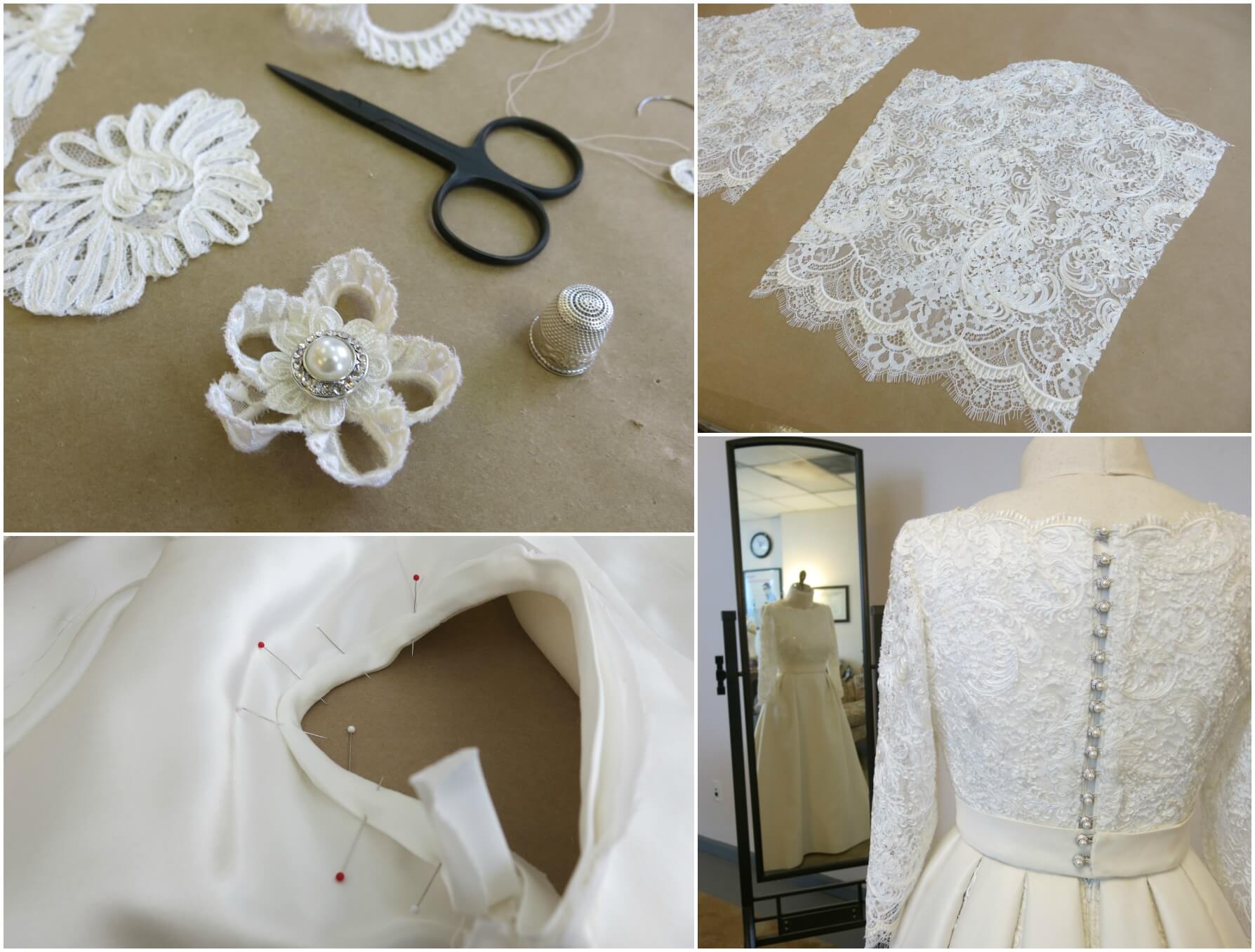
Measurement as Structural Blueprint
Measurement in custom bridal extends beyond bust waist and hip. It includes shoulder slope, torso length, back curvature, posture alignment, and gait analysis. Designers such as Galia Lahav emphasize contour mapping to ensure gowns sculpt without compression distortion.
Precision measurement reduces strain points. It also improves internal corsetry distribution, eliminating reliance on visible structural devices.
Atelier Based Production
Custom wedding dress designers often operate within atelier environments where pattern makers, seamstresses, and embroidery specialists collaborate. This structure mirrors couture houses such as Dior where the atelier system preserves craftsmanship hierarchy and quality control.
The atelier model prioritizes hand finishing:
- Hand rolled hems
- Invisible seam binding
- Hand set boning channels
- Micro bead anchoring
The result is a garment engineered for durability rather than event singularity.
Signature Aesthetics Among Leading Designers
Custom bridal is not monolithic. It spans minimalist architecture, romantic maximalism, sculptural avant garde, and heritage lace tradition.
Sculptural Minimalism
Designers like Danielle Frankel advance minimalist custom bridal through architectural seam placement and refined silhouette. Her approach removes ornament to foreground textile tension and proportion control.
Key attributes:
- Clean neckline geometry
- Structured bodices without visible boning
- Matte silk dominance
- Detached overskirts
This direction aligns with broader fashion movements emphasizing form clarity over surface embellishment.
Couture Embroidery Authority
Custom houses such as Berta maintain global influence through dense embroidery, sheer illusion construction, and fitted mermaid silhouettes. In custom context, embroidery placement is mapped to body lines, enhancing contour rather than randomly applied.
Embroidery density must account for garment weight. Excessive bead concentration without structural balancing causes distortion. Custom production recalibrates weight distribution through internal reinforcement.
Romantic Heritage Lace
Designers influenced by European bridal tradition integrate heritage lace patterns while adjusting proportion for contemporary wearability. Monique Lhuillier demonstrates this balance by combining classical lace with modern cut discipline.
Custom adaptation allows lace motifs to be strategically repositioned to frame neckline, sleeve edge, or train perimeter without overwhelming composition.
Custom Wedding Dress Designers Shaping Bridal Couture
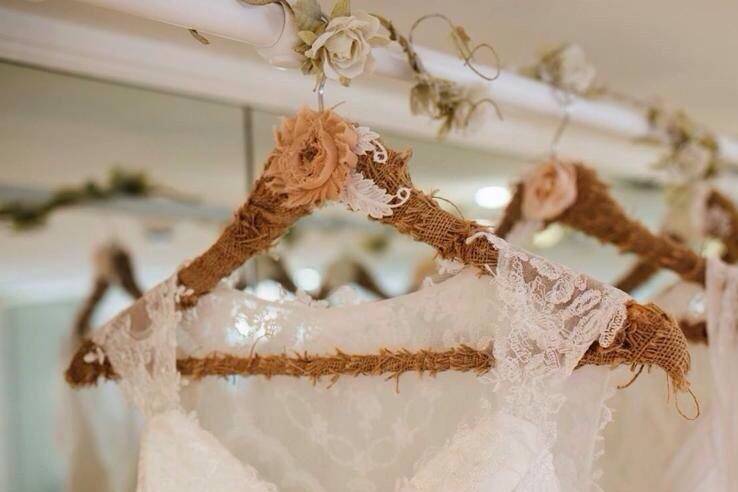
Custom Wedding Dress Designers Shaping Bridal Couture define a segment of bridal fashion grounded in authorship. Each designer imposes a construction philosophy that extends beyond aesthetic preference into engineering methodology.
Internal Corsetry Innovation
Traditional corsetry relied on rigid boning and tight lacing. Modern custom designers refine internal architecture using flexible boning channels, stretch lining integration, and weight distribution mapping.
Luxury bridal brands such as Vera Wang incorporate invisible structural support that stabilizes silhouette while preserving fluid appearance. In bespoke adaptation, internal support is recalibrated per body asymmetry.
Fabric Sourcing Authority
Textile selection is foundational. Custom designers source silk mikado, French lace, Italian satin, and hand embroidered tulle from specialized mills. Platforms like Maison Lesage represent embroidery craftsmanship that influences couture bridal detail density.
Fabric selection influences:
- Drape
- Light absorption
- Structural rigidity
- Weight tolerance
Inferior textiles compromise long term integrity. Custom ateliers mitigate risk by pre testing drape behavior before pattern finalization.
Modular Construction
Modern brides demand transition functionality. Custom designers engineer detachable trains, removable sleeves, convertible overskirts, and layered bodice panels.
This modularity allows ceremony formality and reception mobility without aesthetic discontinuity. Engineering detachable components requires concealed fastening systems and weight stabilization.
Global Influence and Regional Distinction
Custom bridal is geographically diverse. Regional ateliers embed cultural aesthetics within bespoke frameworks.
Middle Eastern Couture Influence
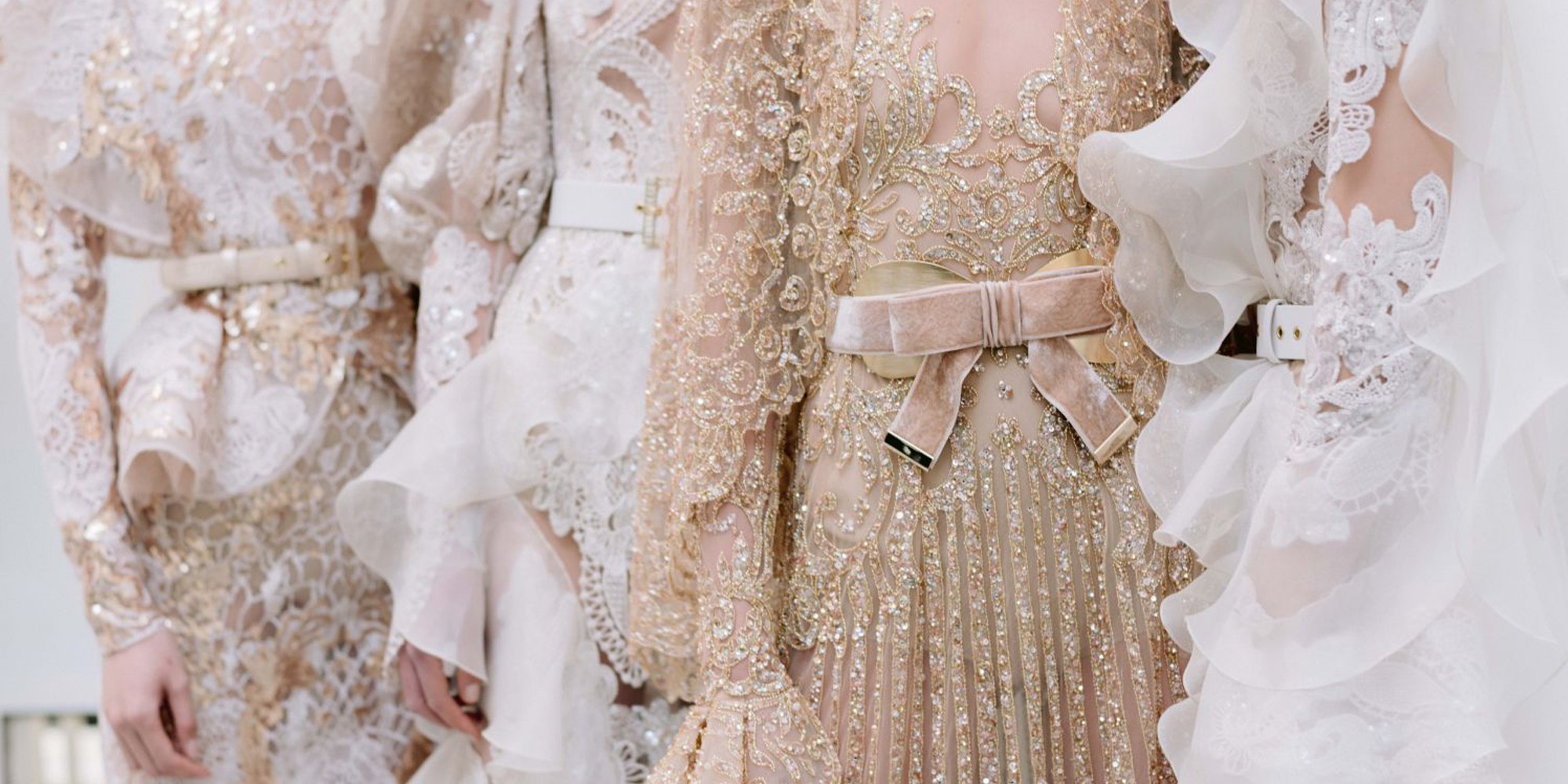
Middle Eastern couture houses such as Rami Al Ali are known for opulent embroidery and architectural drama. Custom adaptations often integrate high neck illusion panels, dramatic trains, and intricate bead mapping.
The influence extends globally, with brides commissioning cross regional designers for statement couture presence.
European Structural Discipline
European custom ateliers emphasize tailoring lineage. Italian and French houses prioritize seam precision and fabric quality over embellishment saturation.
Design traditions linked to couture heritage institutions such as Chanel reinforce discipline in finishing standards, influencing independent bridal ateliers.
North American Modernity
North American custom designers integrate contemporary minimalism, clean lines, and relaxed silhouettes. Studios inspired by brands like The Row translate ready to wear minimalism into bridal context through matte silk columns and understated trains.
Economic Structure of Custom Bridal
Custom wedding dress designers operate within tiered pricing frameworks driven by labor intensity and textile sourcing.
Primary cost drivers:
- Fabric quality
- Hand embroidery hours
- Fitting frequency
- Atelier labor specialization
Couture level custom gowns may require hundreds of labor hours. Even minimalist bespoke gowns demand pattern drafting from zero base rather than size modification.
Time investment is non negotiable. Custom production cycles often span several months to ensure iterative refinement.
Sustainability and Longevity
Custom bridal aligns with sustainability through intentional production. Made to order eliminates surplus inventory waste. High quality construction increases garment longevity, enabling archival preservation or alteration for future events.
Resale platforms such as Stillwhite demonstrate secondary market value for designer gowns with strong structural integrity. Custom pieces often retain higher value due to craftsmanship reputation.
The Fitting Process as Design Laboratory
Fittings function as real time testing environments. During toile fitting, muslin prototypes expose seam tension, neckline balance, and hem proportion.
Adjustments include:
- Shoulder recalibration
- Waist seam elevation
- Back curvature refinement
- Sleeve mobility expansion
Designers document alterations to update final pattern. This iterative correction differentiates bespoke from made to measure adaptation.
Technology Integration
Advanced custom ateliers incorporate digital measurement scanning and pattern simulation software. However, technology supplements rather than replaces hand fitting expertise.
Digital mapping accelerates drafting but cannot fully replicate tactile evaluation of fabric tension and movement response.
Psychological Dimension of Custom Design
Custom bridal offers control. It eliminates compromise inherent in mass sizing. It aligns garment architecture with personal identity.
The bride becomes co author of aesthetic direction, yet designer authority remains critical to maintain structural coherence.
Bridal Media and Designer Visibility
Digital bridal platforms expand visibility for custom designers. Publications such as Vogue Weddings document bespoke creations, influencing global demand.
Social media further accelerates exposure. Custom gowns photographed in architectural venues generate high visual retention due to uniqueness.
Preservation and Archival Considerations
Custom gowns often include preservation planning during construction. Designers select fabrics resistant to discoloration and reinforce stress points to prevent structural fatigue.
Professional preservation services maintain garment condition through acid free packaging and climate controlled storage.
Future Trajectory of Custom Bridal
Custom wedding dress designers continue to redefine bridal couture through hybridization of tradition and innovation. The sector integrates architectural minimalism, heritage lace revival, modular engineering, and sustainable production logic.
The structural principles remain constant:
- Body first drafting
- Fabric authority
- Seam precision
- Iterative refinement
- Long term integrity
Custom bridal persists because it resolves the tension between individuality and craftsmanship through engineered personalization rather than decorative excess.
About the Author