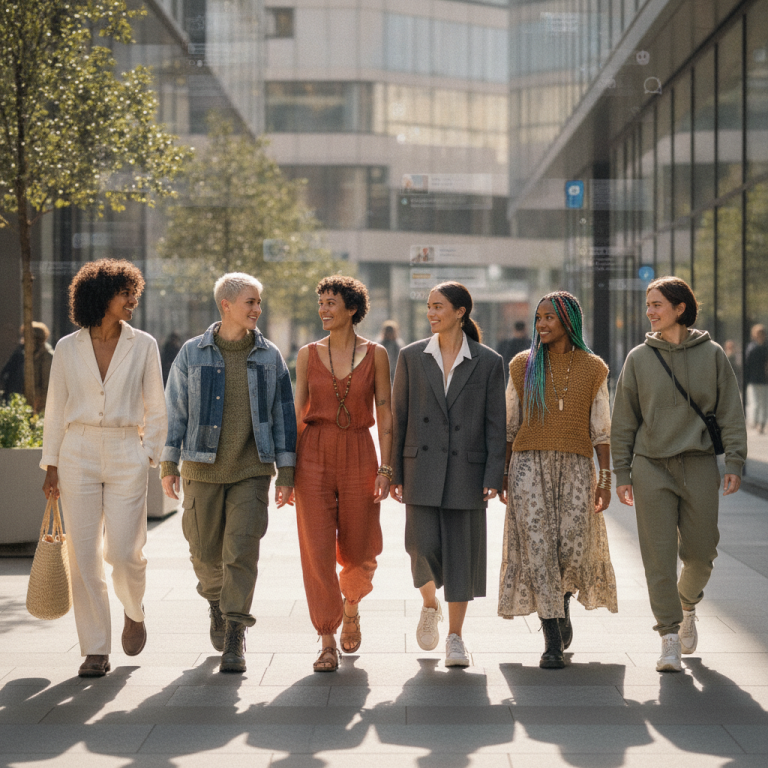
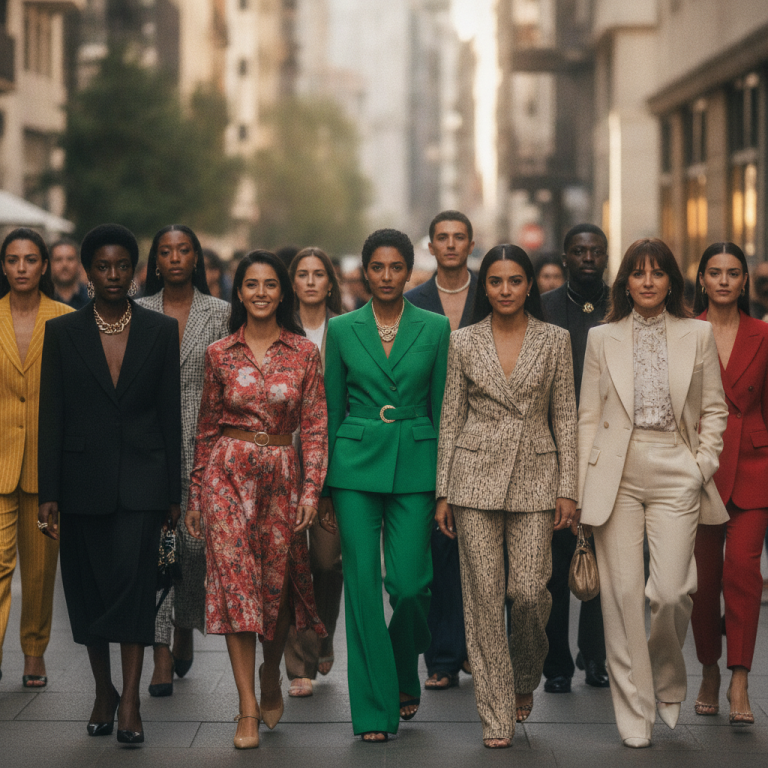
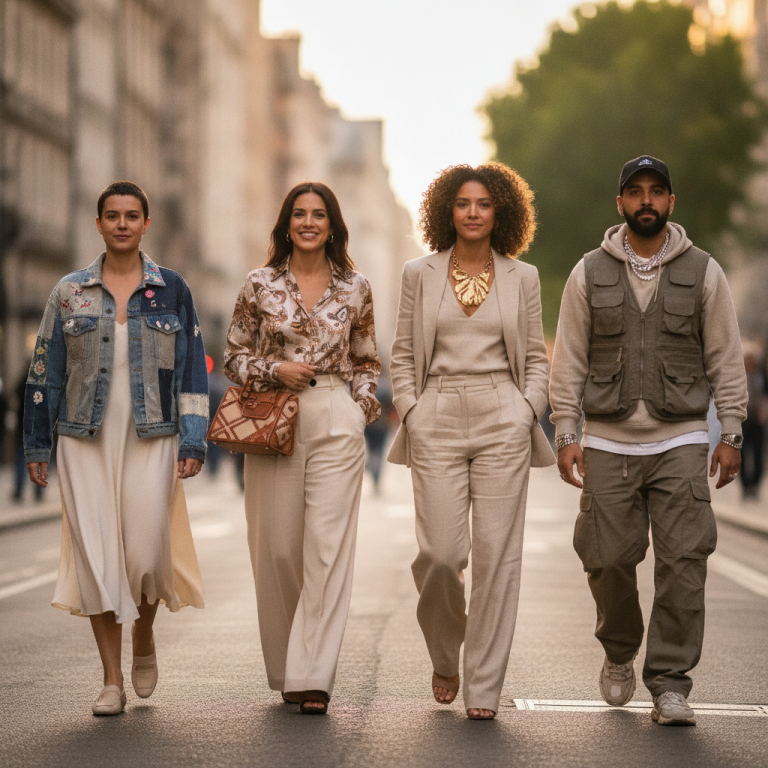
Quiet Luxury Style for Modern Women dominates contemporary fashion discourse as consumers shift away from logo-heavy displays toward craftsmanship, material integrity, and timeless silhouettes. Market analysis from Vogue Business shows rising demand for understated tailoring, neutral palettes, and investment garments designed for longevity rather than trend cycles. This aesthetic reflects economic realism, environmental awareness, and psychological preference for refinement over visibility.
Quiet luxury is not minimalism for appearance. It is precision, restraint, and durability.

The Economic and Cultural Drivers of Quiet Luxury Style
Luxury consumption is undergoing structural transformation.
From Status Signaling to Value Signaling
Previous fashion eras prioritized brand recognition as social currency. Current consumers prioritize quality recognition among informed peers. Research from McKinsey Fashion Insights indicates high-income buyers increasingly evaluate fabric sourcing, construction methods, and brand heritage rather than logo prominence.
Luxury now signals discernment.
Sustainability and Longevity Demands
Fast fashion fatigue has intensified. According to Ellen MacArthur Foundation, garment overproduction drives massive waste and carbon output, accelerating consumer shift toward fewer, higher-quality pieces.
Quiet luxury aligns with durability economics.
Digital Culture and Aesthetic Fatigue
Constant exposure to exaggerated trends on social platforms has triggered preference for visual calm. The muted tones and clean lines of quiet luxury provide psychological relief from overstimulation, as discussed by The Business of Fashion.
Core Elements of Quiet Luxury Style Wardrobes
Quiet luxury relies on construction excellence rather than decoration.
Fabric Quality Over Visual Drama
Materials define the aesthetic.
Primary textiles:
- Cashmere
- Merino wool
- Silk twill
- Linen blends
- Full-grain leather
Luxury houses emphasize fabric sourcing transparency, with brands such as Loro Piana showcasing fiber origins directly through their supply chain storytelling documented by Loro Piana.
Tailoring Precision
Fit replaces ornamentation. Clean shoulder lines, structured waists, and controlled drape produce elegance through proportion.
Italian tailoring standards outlined by Permanent Style explain how hand-finishing and pattern shaping elevate garments beyond mass production.
Neutral and Earth-Tone Palettes
Color systems remain restrained:
- Cream
- Taupe
- Camel
- Navy
- Charcoal
- Soft grey
These shades maximize outfit interoperability while avoiding seasonal obsolescence.
Quiet Luxury Style for Modern Women in Everyday Dressing
Capsule Wardrobe Architecture
Quiet luxury operates through modular outfits.
Core anchors:
- Tailored wool blazer
- Silk blouse
- Straight-leg trousers
- Midi skirt
- Cashmere knit
- Leather loafers
- Structured tote
The concept aligns with wardrobe efficiency principles outlined by The Curated Closet, emphasizing versatility over volume.
Office Wear Transformation
Traditional corporate attire shifts toward softer tailoring.
Modern staples:
- Relaxed suit sets
- Knit blazers
- Wide-leg trousers
- Low-heel leather pumps
Luxury workwear trends reported by Harper’s Bazaar highlight comfort merged with authority.
Casual Elegance
Casual does not mean informal.
Common ensembles:
- Linen trousers with silk tanks
- Cashmere sweaters over cotton shirts
- Leather flats with tailored denim
This approach preserves refinement without rigidity.
Brands Defining the Quiet Luxury Movement
Heritage European Craftsmanship
Notable houses:
- The Row
- Loro Piana
- Brunello Cucinelli
- Totême
- Max Mara
Their focus on materials and timeless cuts is documented across luxury retail platforms such as Net-a-Porter.
Emerging Minimalist Designers
Newer brands prioritize ethical production and minimalist construction:
- Frankie Shop
- COS Atelier
- Everlane Premium
- Arket
Transparency practices outlined by Everlane demonstrate cost breakdowns and factory partnerships.
Styling Techniques That Preserve the Quiet Luxury Aesthetic
Limit Visual Noise
Avoid:
- Large logos
- Excessive accessories
- Trend graphics
- Heavy embellishment
Clean lines retain visual authority.
Focus on Proportion
Balance oversized pieces with tailored elements:
- Wide trousers with fitted knits
- Relaxed blazers with slim skirts
Proportion theory is explored in fashion design resources like Fashionary.
Texture Layering
Monochrome outfits gain depth through fabric contrast:
- Wool with silk
- Leather with cashmere
- Linen with cotton
This maintains interest without visual clutter.
Investment Dressing and Cost Efficiency
Quiet luxury reframes spending.
Cost Per Wear Economics
Higher initial price yields lower lifetime cost. The concept explained by The Zoe Report demonstrates how durable pieces outperform fast fashion financially.
Resale Value Preservation
Luxury basics retain resale market demand. Platforms like The RealReal show consistent valuation for neutral designer staples.
Wardrobe Stability
Timeless silhouettes prevent trend replacement cycles, reducing consumption churn.
Seasonal Adaptation Without Trend Chasing
Spring and Summer
- Linen suiting
- Cotton poplin dresses
- Silk scarves
- Neutral sandals
Autumn and Winter
- Wool coats
- Cashmere layering
- Leather boots
- Structured handbags
Seasonal variation occurs through texture, not silhouette replacement.
Quiet Luxury Accessories Strategy
Footwear
Prioritize:
- Leather loafers
- Ballet flats
- Low block heels
- Minimal sneakers
Construction quality guides such as Shoegazing outline markers of craftsmanship.
Bags
Structured designs in neutral tones dominate:
- Tote bags
- Top-handle satchels
- Crossbody leather styles
Brands focusing on leather integrity are reviewed by Leather Working Group.
Jewelry
Minimal metals:
- Gold hoops
- Thin chains
- Stud earrings
Avoid statement overload.
Psychological Impact of Quiet Luxury Dressing
Clothing influences cognition and confidence.
Reduced Decision Fatigue
Capsule systems simplify daily choices, supported by behavioral research on decision overload from American Psychological Association.
Authority Signaling
Clean tailoring projects competence and control. Studies in Journal of Experimental Social Psychology show formal attire increases abstract thinking and confidence perception.
Emotional Neutrality
Muted palettes stabilize mood by minimizing sensory overload.
Sustainability Alignment
Quiet luxury inherently reduces fashion waste.
Slower Consumption Cycles
Fewer purchases with higher usage frequency reduce landfill contribution.
Ethical Production Models
Many minimalist brands emphasize fair labor and low-volume manufacturing, as reported by Good On You.
Material Longevity
Natural fibers biodegrade more efficiently than synthetic fast-fashion blends.
The Long-Term Trajectory of Quiet Luxury
Fashion forecasting platforms like WGSN identify understated elegance as a multi-year structural trend driven by economic caution, sustainability policy shifts, and evolving consumer psychology.
Logo-centric fashion becomes cyclical. Quality-centric fashion becomes permanent.
Structural Wardrobe Blueprint
| Category | Priority Piece | Fabric Focus |
|---|---|---|
| Outerwear | Wool coat | Merino blend |
| Tops | Silk blouse | Natural silk |
| Bottoms | Tailored trousers | Wool twill |
| Knitwear | Cashmere sweater | Grade A cashmere |
| Shoes | Leather loafers | Full-grain leather |
| Bag | Structured tote | Vegetable-tanned leather |
Final Fashion Reality
Quiet luxury is not trend minimalism. It is disciplined refinement built on craftsmanship, longevity, and functional elegance. It replaces visual noise with structural beauty, disposability with durability, and consumption with curation.
Modern women adopt it not to appear wealthy but to operate efficiently, confidently, and sustainably.
Fashion returns to quality as its highest status symbol.
About the Author