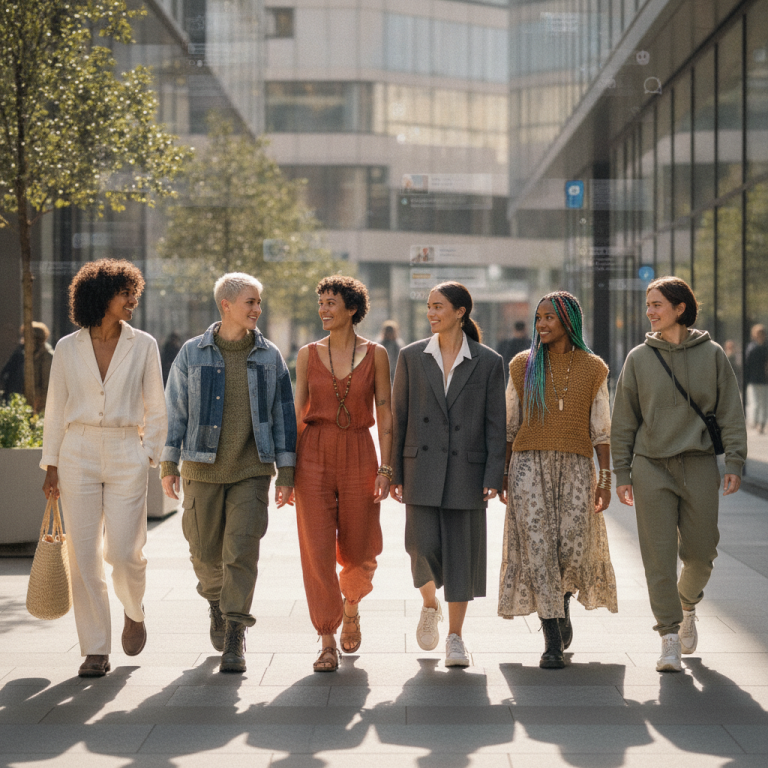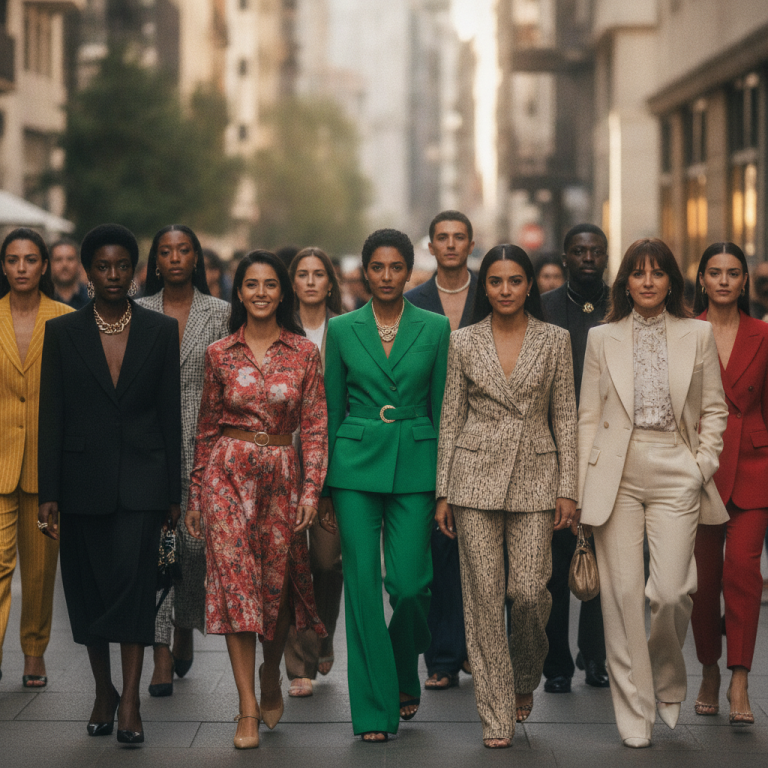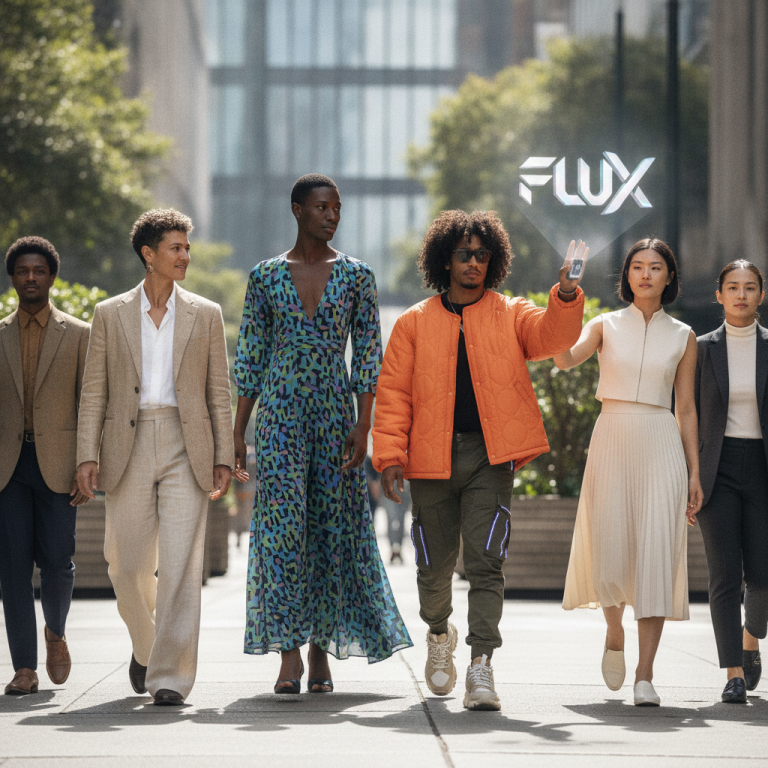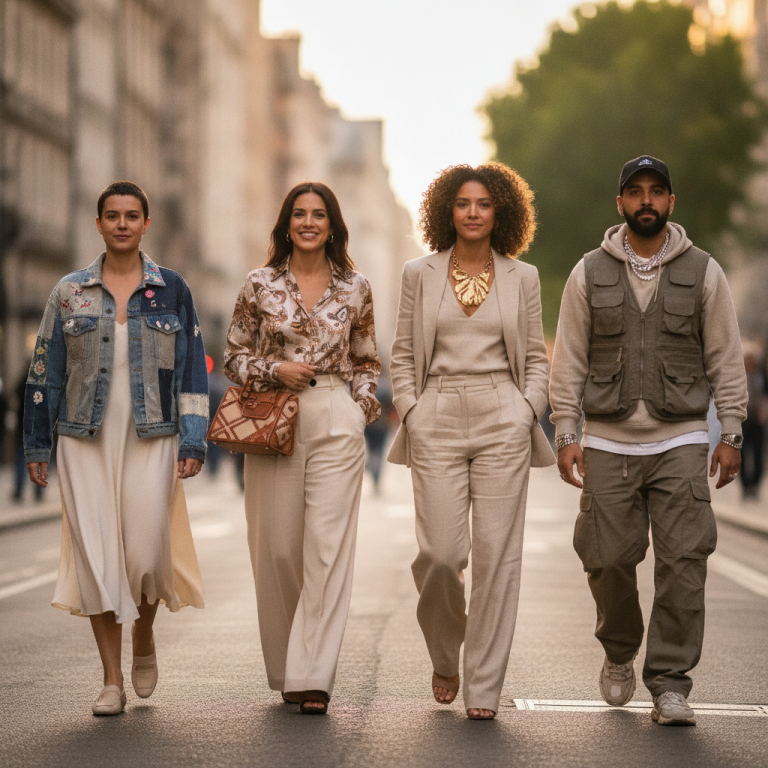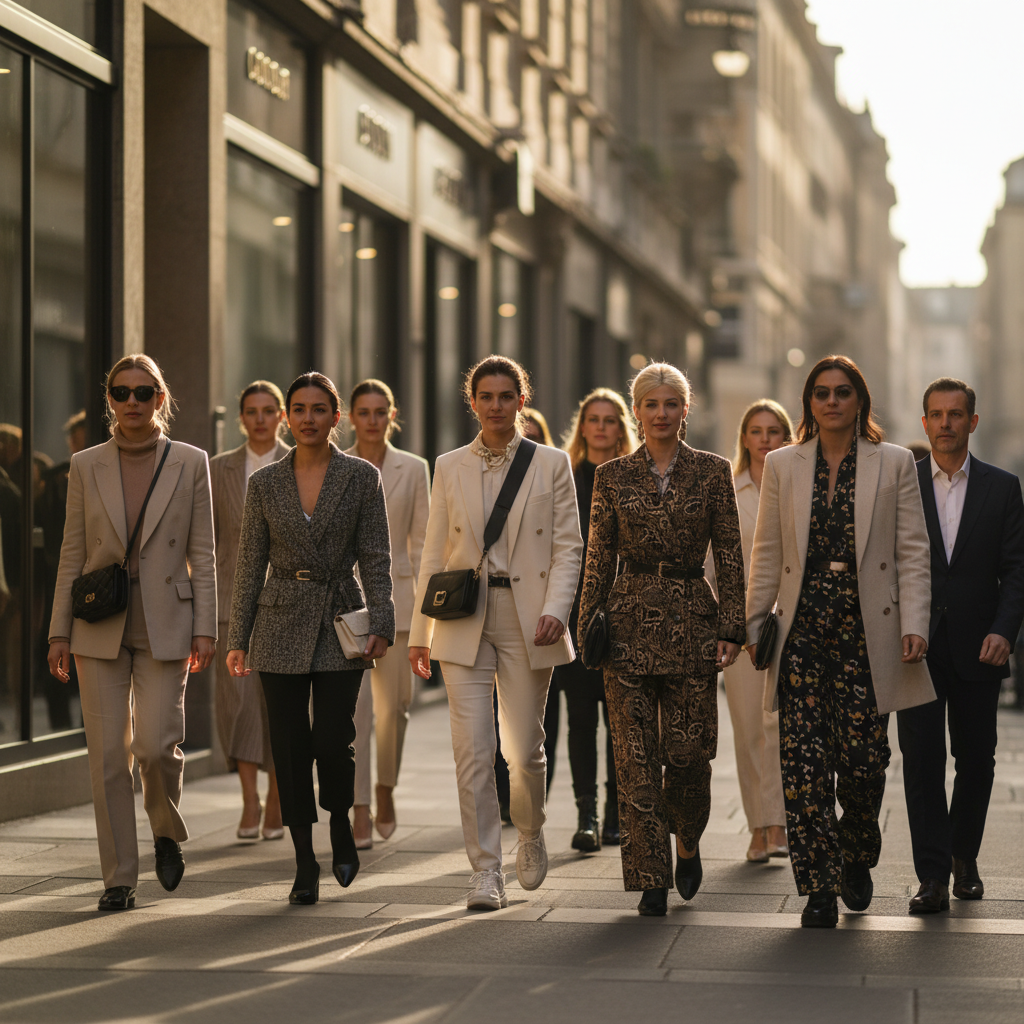
Have you ever considered the profound impact of what you wear, not just on your appearance, but on your confidence, your mood, and even how the world perceives you? The world of fashion is far more than just fabric and trends; it’s a vibrant tapestry of self-expression, a powerful tool for storytelling, and a dynamic reflection of culture and identity. It invites us to explore, experiment, and ultimately, to define our unique place in the sartorial landscape. This journey promises not just a refreshed wardrobe, but a deeper understanding of ourselves and the world around us.
From the fleeting whims of the runway to the timeless elegance of classic pieces, fashion is a constantly evolving art form. It’s an exciting realm where creativity knows no bounds, offering endless possibilities for personal interpretation. Join us as we navigate the captivating currents of style, uncovering how to embrace trends, cultivate a signature look, and make conscious choices that resonate with your values.
The Ever-Evolving Tapestry of Fashion
Fashion is a living entity, perpetually shifting and transforming. It’s a mirror reflecting societal changes, technological advancements, and the collective human spirit. Each era leaves its indelible mark, influencing silhouettes, color palettes, and the very philosophy behind dressing. Understanding this dynamic interplay is key to appreciating the depth and breadth of the industry.
The journey of fashion is a fascinating one, from the rigid corsets of the Victorian era to the rebellious punk movement of the 1970s, and the minimalist chic of the 1990s. These historical shifts not only dictate what we wear but also shape our perceptions of beauty, comfort, and status. Today, the pace of change is faster than ever, driven by digital media and global interconnectedness.
From Runway to Reality: Decoding Trends
The runway shows of Paris, Milan, New York, and London are the epicenters where new trends are born. Avant-garde designs often make their debut here, gradually trickling down to ready-to-wear collections and eventually influencing mainstream **clothing** lines. Decoding these trends involves understanding the underlying themes and adapting them to suit individual tastes and lifestyles.
Currently, we see a fascinating blend of quiet luxury, emphasizing quality and understated elegance, alongside a resurgence of maximalism with bold prints and vibrant colors. Vintage revival continues to be a strong current, with designers drawing inspiration from decades past. The key is not to blindly follow every trend, but to selectively incorporate elements that enhance your personal **attire** and make you feel confident.
Iconic Moments in Fashion History
Throughout history, certain moments and designers have irrevocably altered the course of fashion. Coco Chanel’s introduction of the little black dress in the 1920s revolutionized women’s wardrobes, offering sophistication and liberation. Christian Dior’s New Look in 1947 brought back opulent femininity after wartime austerity, reshaping the silhouette for decades.
These iconic contributions demonstrate fashion’s power to both reflect and instigate cultural shifts. From Audrey Hepburn’s timeless elegance to David Bowie’s genre-bending stage **garments**, these figures proved that style can be a powerful form of artistic and personal expression. Their legacies continue to inspire designers and fashion enthusiasts today.
Crafting Your Signature Style: Beyond the Trends
While trends offer exciting new ideas, true style lies in understanding yourself. Developing a signature style is a journey of self-discovery, where you identify what makes you feel authentic and empowered. It’s about curating a wardrobe that truly reflects your personality, your values, and your lifestyle, rather than simply chasing fleeting fads.
This process involves understanding your body shape, identifying your preferred color palette, and considering the practicalities of your daily life. A well-curated wardrobe allows for effortless dressing, ensuring that every piece brings you joy and confidence. It’s about building a foundation that transcends seasons and fads, offering enduring elegance.
Building a Versatile Wardrobe Foundation
A strong wardrobe foundation is built upon versatile, high-quality pieces that can be mixed and matched to create numerous outfits. Think of essentials like a well-fitting pair of dark jeans, a crisp white shirt, a classic blazer, and a simple black dress. These items serve as the backbone of your style, allowing you to layer and accessorize with ease.
Investing in quality over quantity is a principle that pays dividends in the long run. Durable fabrics and timeless designs mean your clothes will last longer, reducing the need for constant replacements. For excellent guidance on building a cohesive collection, consider exploring resources like Vogue’s Guide to Building a Capsule Wardrobe, which emphasizes versatility and longevity.
The Art of Accessorizing
Accessories are the secret weapon of any stylish individual. They have the power to transform a simple outfit into a statement, adding personality, flair, and a touch of individuality. From a bold necklace to a statement handbag, the right **accessories** can elevate your entire look and express your unique aesthetic.
Consider the impact of jewelry: a delicate pendant can add a touch of subtle elegance, while chunky bangles can inject a bohemian vibe. Shoes and belts also play a crucial role, tying an outfit together or providing a contrasting element. For inspiration on selecting the perfect embellishments, explore comprehensive guides such as Harper’s Bazaar’s Jewelry Trends to find pieces that resonate with your personal style.
Sustainable Fashion: A Conscientious Choice
In an era of increasing environmental awareness, the fashion industry is undergoing a significant transformation. The rise of fast fashion, characterized by rapid production cycles and low prices, has led to substantial environmental and ethical concerns. However, a growing movement towards sustainable fashion offers a more conscious and responsible approach to dressing.
Choosing sustainable **apparel** means prioritizing environmentally friendly materials, ethical labor practices, and reducing waste throughout the supply chain. This shift not only benefits the planet but also ensures fair treatment for workers and encourages innovation in textile production. It’s a commitment to a future where style and responsibility go hand in hand.
Embracing Circular Fashion
Circular fashion aims to keep garments in use for as long as possible, minimizing waste and maximizing resource efficiency. This includes practices such as upcycling, where old clothes are transformed into new items, and reselling, giving pre-loved garments a second life. Renting clothes for special occasions is another excellent way to participate in the circular economy.
The statistics on textile waste are stark: according to the U.S. Environmental Protection Agency, over 17 million tons of textile waste ended up in landfills in 2018. Furthermore, the Ellen MacArthur Foundation reports that less than 1% of clothing is recycled into new clothing. Supporting initiatives like Fashion Revolution helps drive awareness and change towards more sustainable practices.
Supporting Ethical Brands
Making a conscious effort to support ethical brands is a powerful way to promote positive change. Ethical brands prioritize fair wages, safe working conditions, and transparent supply chains, ensuring that their **garments** are produced responsibly. They often use organic, recycled, or innovative sustainable materials, reducing their environmental footprint.
Look for certifications like Fair Trade, GOTS (Global Organic Textile Standard), or B Corp status, which indicate a brand’s commitment to ethical and sustainable practices. Researching a brand’s transparency reports can also provide valuable insights into their operations. Every purchase is a vote for the kind of fashion industry you want to support.
The Future of Fashion: Innovation and Inclusivity
The fashion landscape is continually evolving, driven by technological innovation and a growing demand for inclusivity. The future promises exciting developments, from cutting-edge materials to virtual experiences, alongside a powerful movement towards celebrating diversity in all its forms. This forward-looking approach ensures that fashion remains relevant and inspiring for everyone.
Technology is not just changing how clothes are made but also how we discover, try on, and interact with them. Simultaneously, the industry is embracing a more expansive definition of beauty and style, making fashion accessible and representative of a broader spectrum of humanity. These advancements are paving the way for a more dynamic and equitable fashion world.
Technology’s Role in Reshaping Fashion
Advancements in technology are revolutionizing every aspect of the fashion industry. 3D printing is enabling the creation of intricate, unique **textiles** and garments with minimal waste. AI-powered design tools are assisting designers in conceptualizing new collections and optimizing production processes. Virtual try-on experiences and augmented reality apps are transforming online shopping, making it more interactive and personalized.
Digital fashion, existing solely in virtual spaces, is also gaining traction, offering new avenues for creative expression and sustainable consumption. These innovations point towards a future where fashion is more customized, efficient, and environmentally conscious, pushing the boundaries of what’s possible in design and production.
Celebrating Diversity and Inclusivity
The fashion industry is increasingly recognizing the importance of diversity and inclusivity. Runways and advertising campaigns now feature a wider range of body types, skin tones, ages, and gender identities, reflecting the true diversity of the global population. This shift is not merely aesthetic; it’s about making fashion accessible and empowering for everyone.
From extended sizing options to adaptive clothing designs, brands are working to ensure that fashion is not just for a select few, but for all. This commitment to inclusivity fosters a more welcoming and representative industry, where every individual can find their voice and express their unique **style** through the clothes they wear. It’s a powerful statement that fashion is for every body and every story.
Ultimately, fashion is a deeply personal journey, an ongoing conversation between who you are and how you choose to present yourself to the world. It’s an invitation to explore, to experiment, and to embrace the joy of self-expression. Whether you’re drawn to the latest trends, dedicated to timeless elegance, or committed to sustainable choices, remember that your style is uniquely yours. Dare to be bold, dare to be authentic, and let your fashion tell your incredible story.
About the Author